
Video
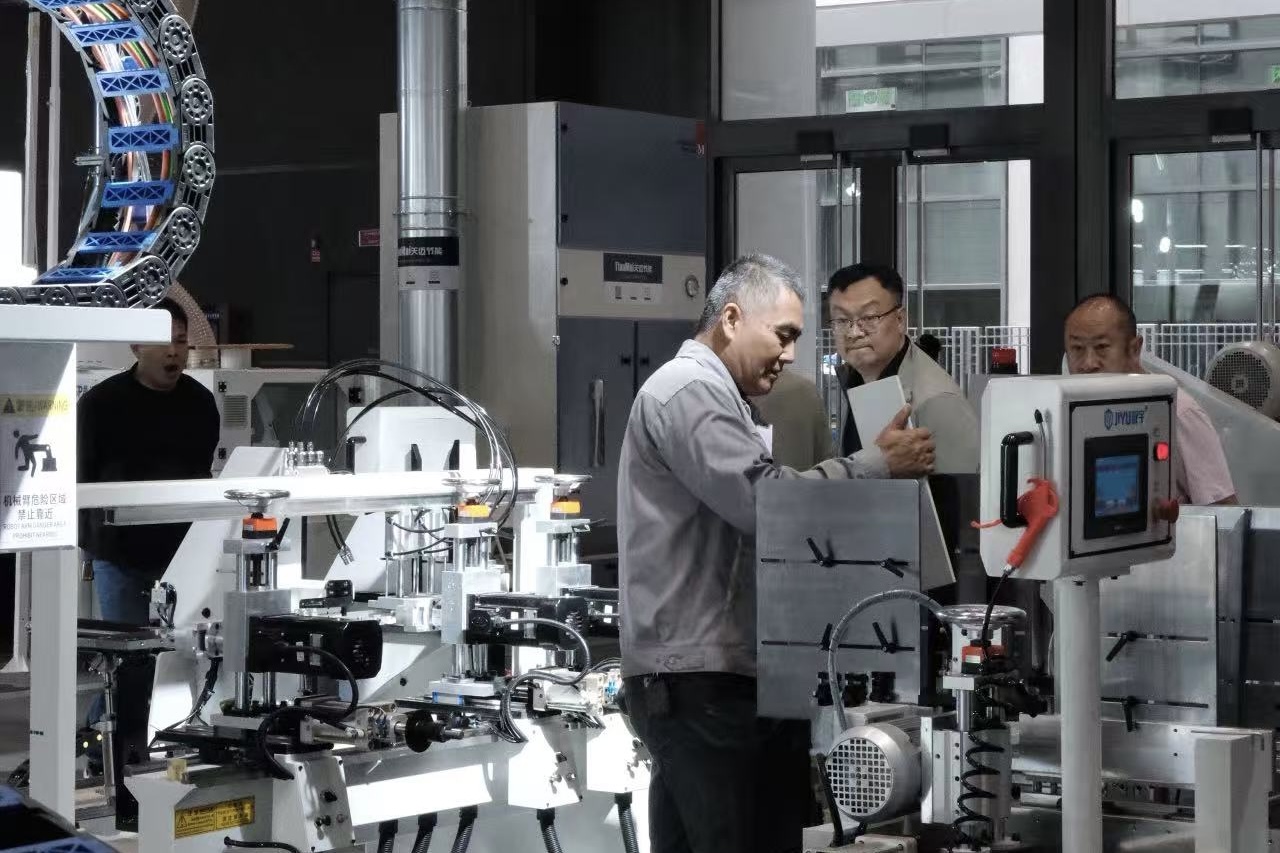
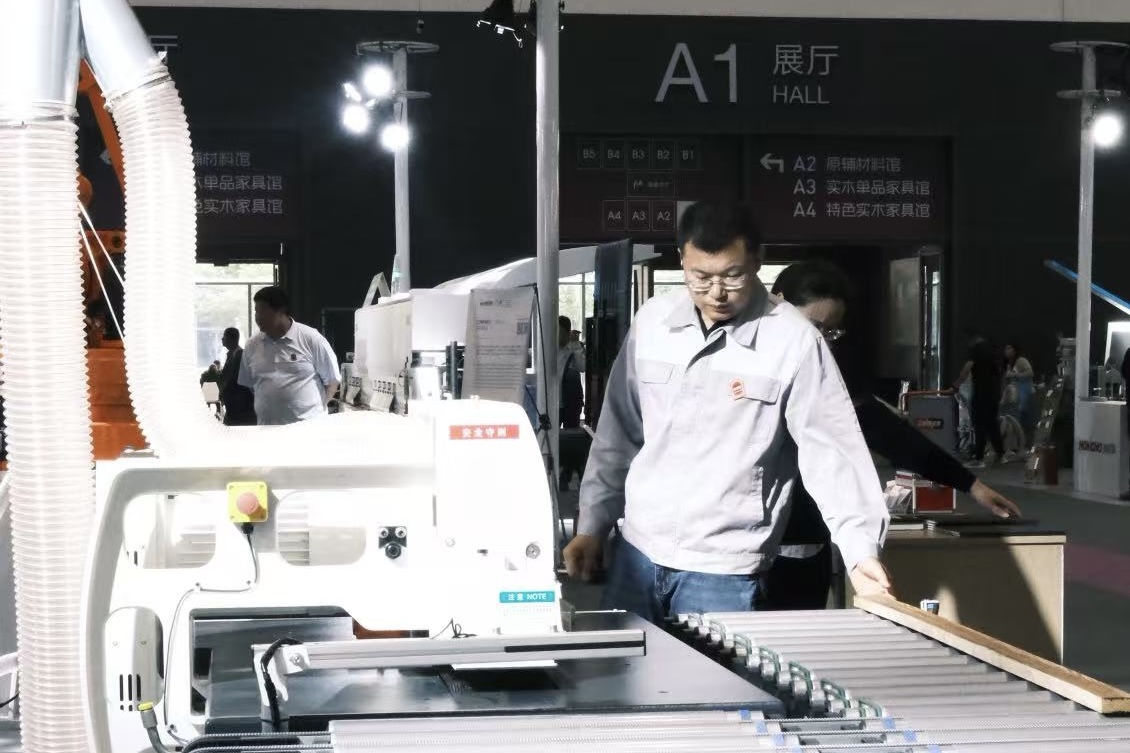
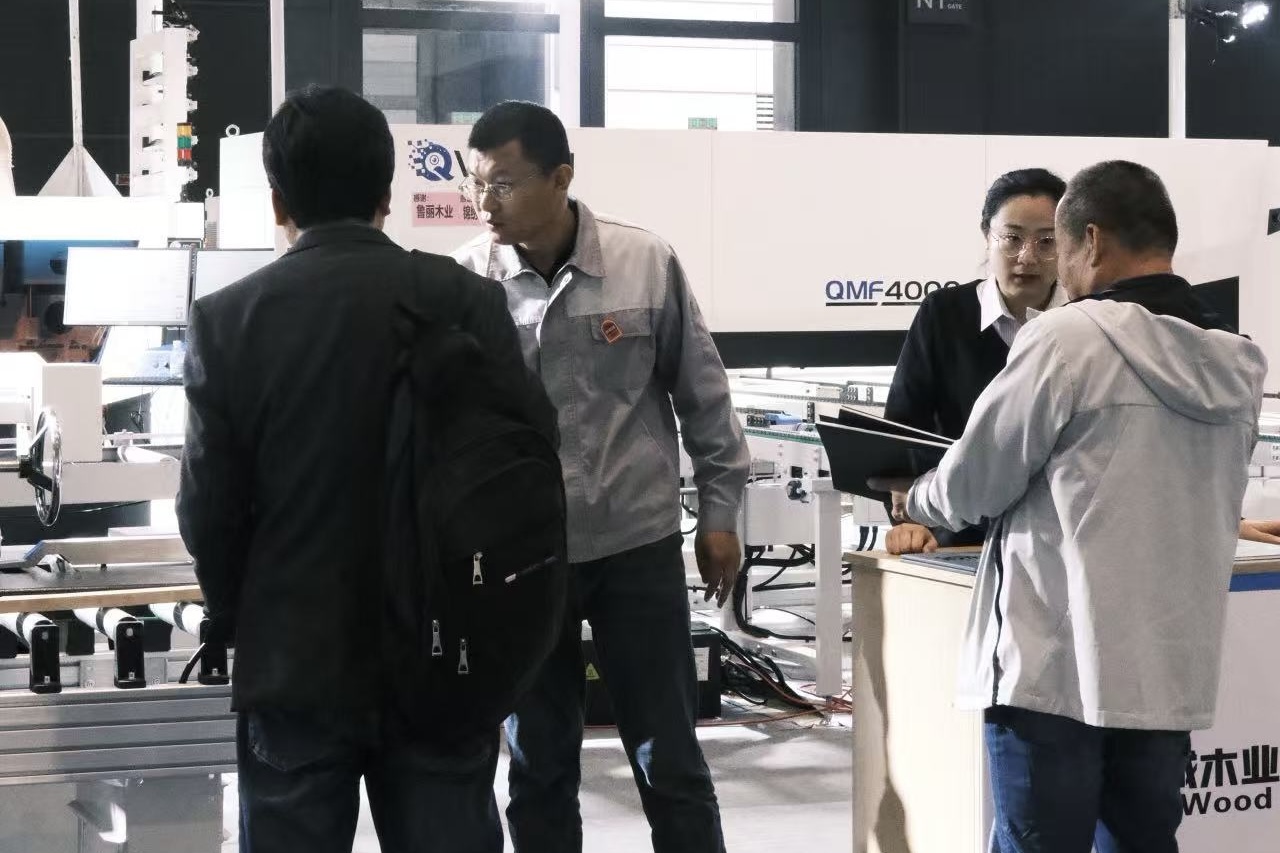
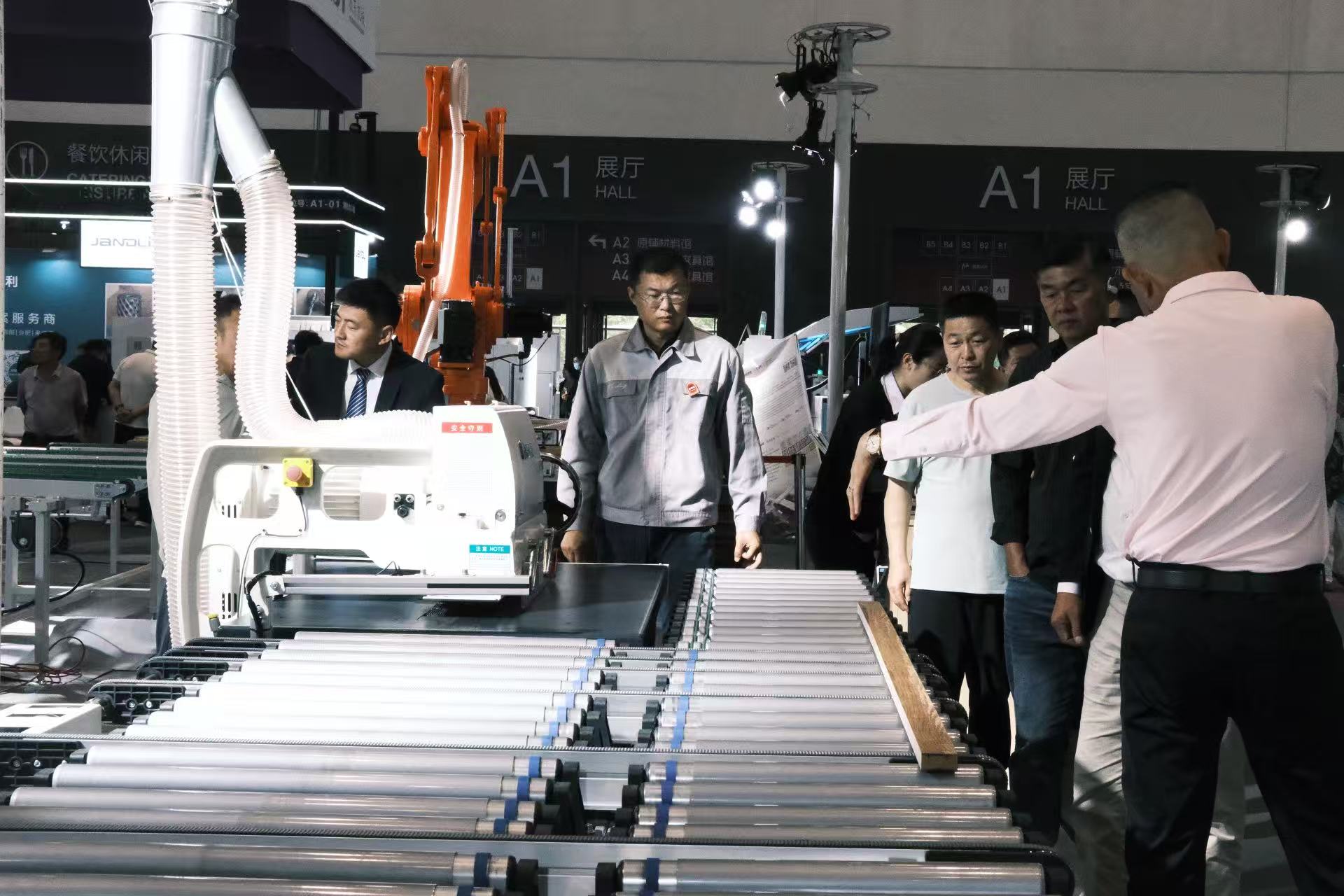
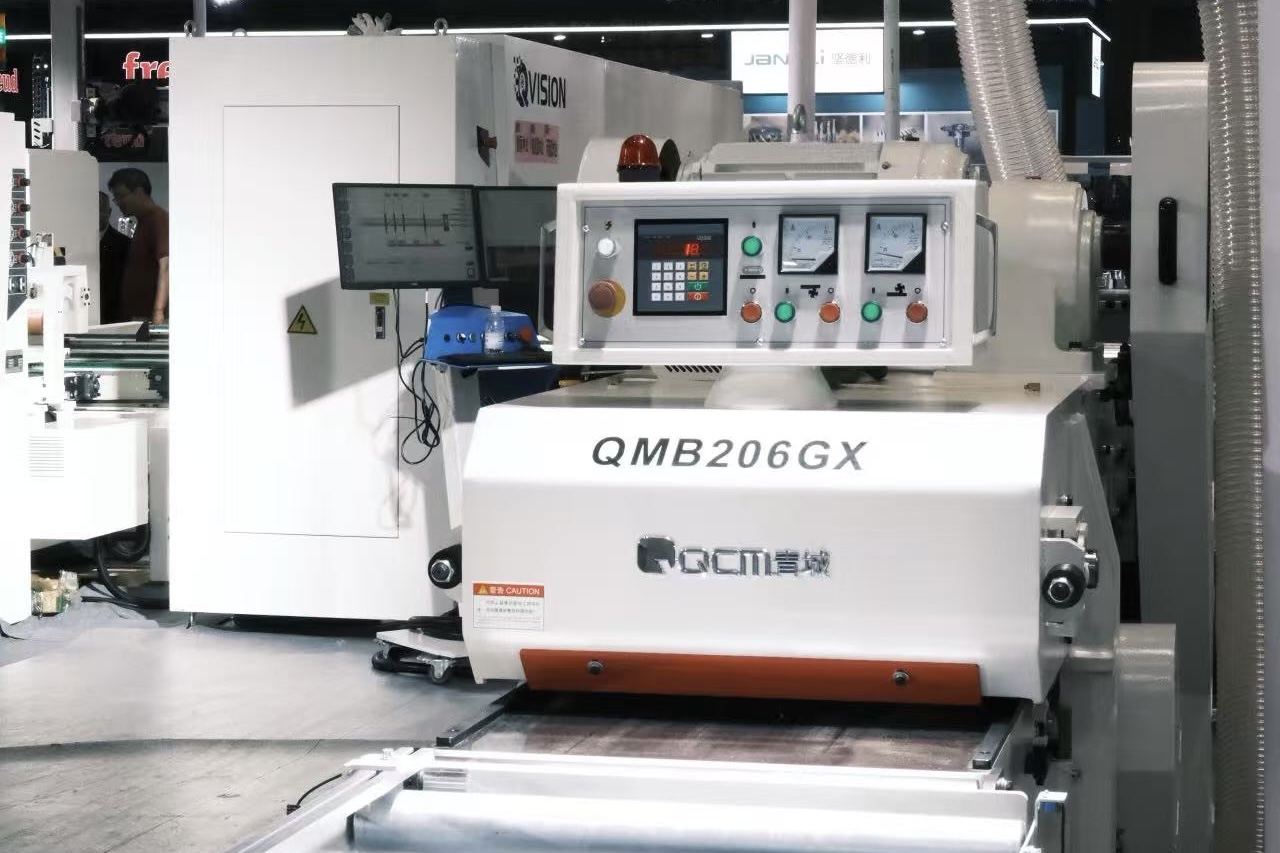
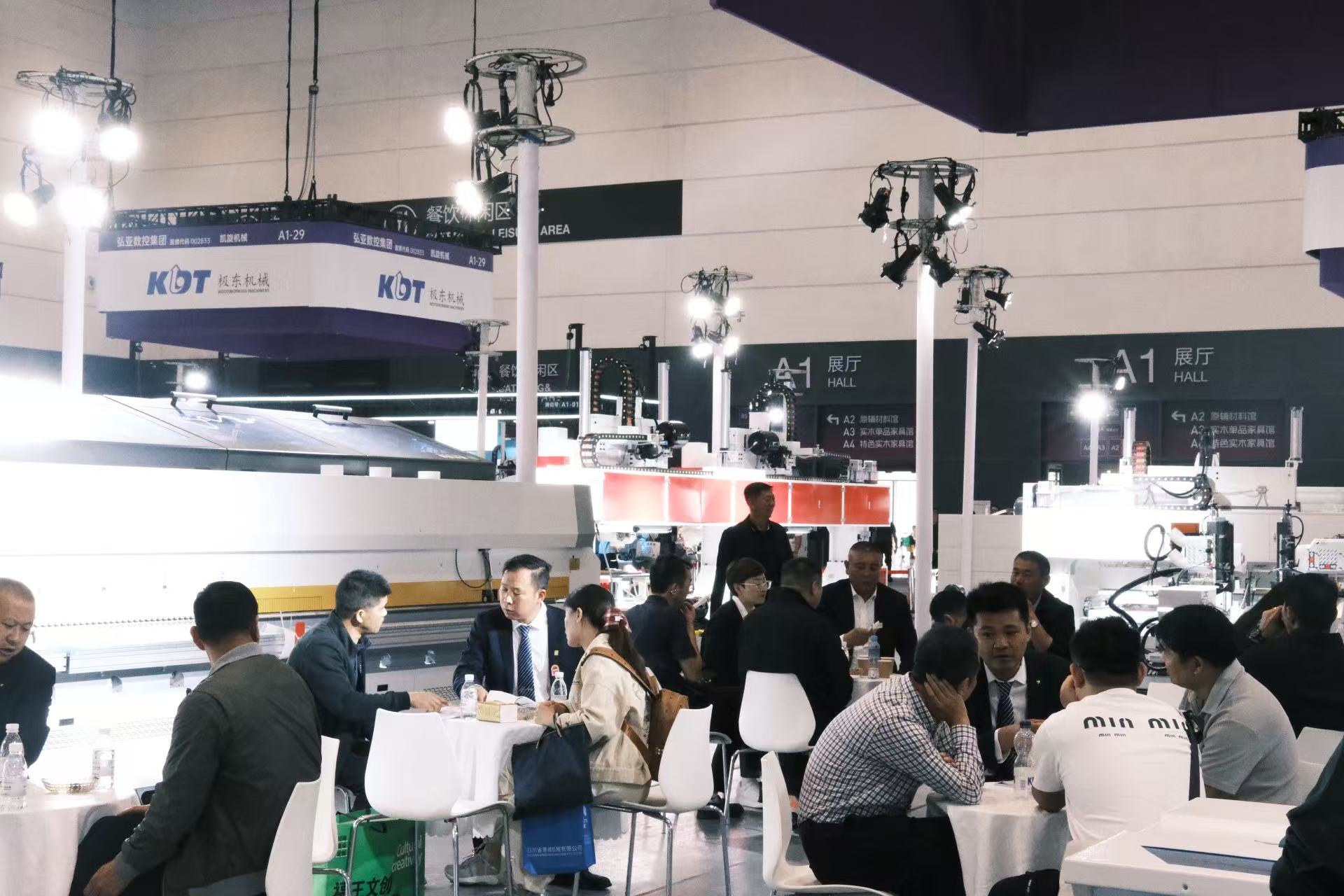
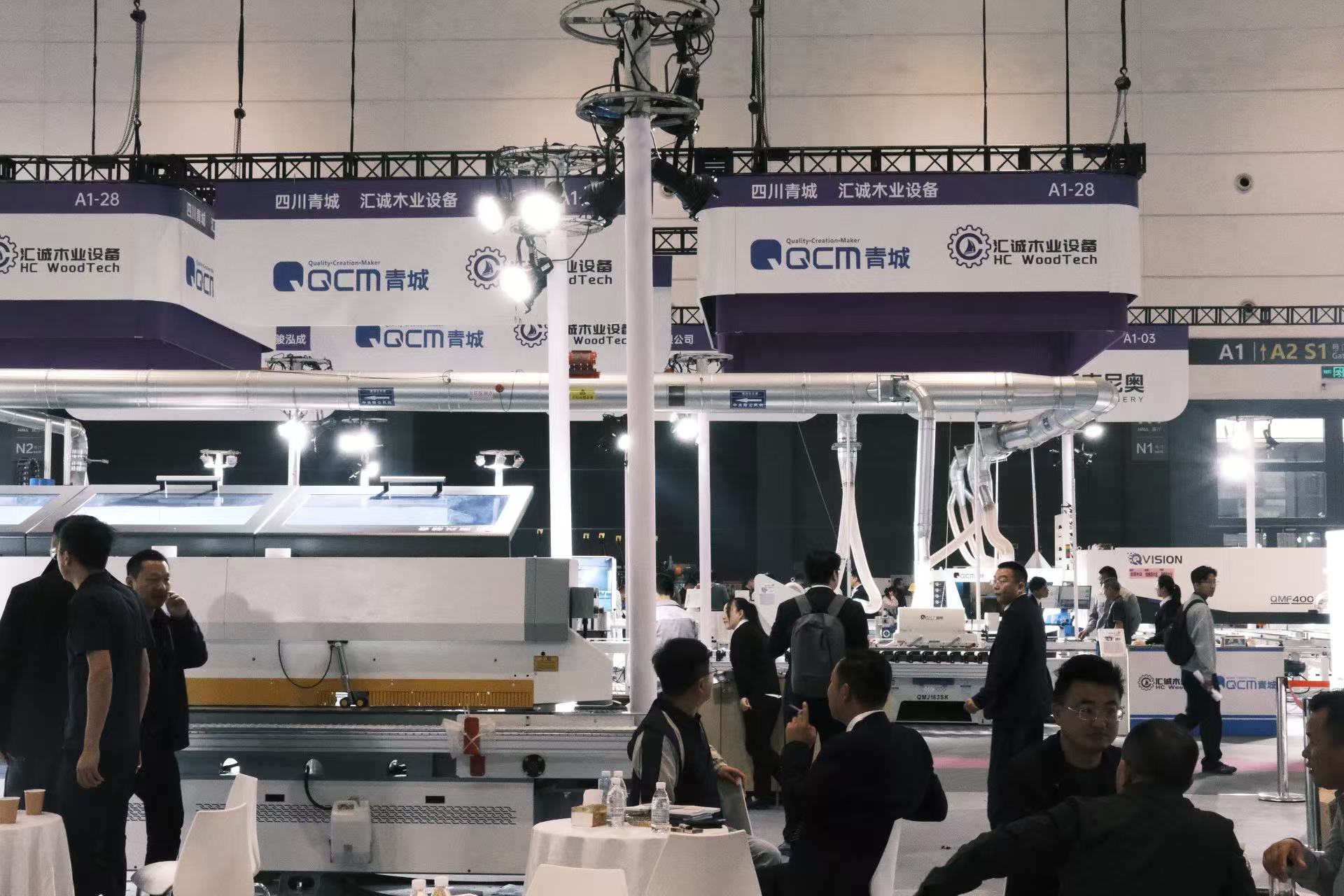
HC WoodTech participated in the 2026 Qingdao Woodworking Machinery Fair, presenting woodworking technologies together with QCM Machinery and Nanxing Equipment. Across the two exhibition areas, visitors could explore equipment and production solutions covering solid wood processing, panel furniture manufacturing, CNC machining and automation.The exhibition was also an opportunity for our technical team to communicate directly with woodworking manufacturers, understand different materials and production requirements, and discuss practical machining solutions based on real applications.
Craftsmanship & technical expertise
- Reliable woodworking production depends on more than machine specifications. Machine structure, spindle configuration, tooling, clamping, feeding stability and machining experience all directly influence processing quality.
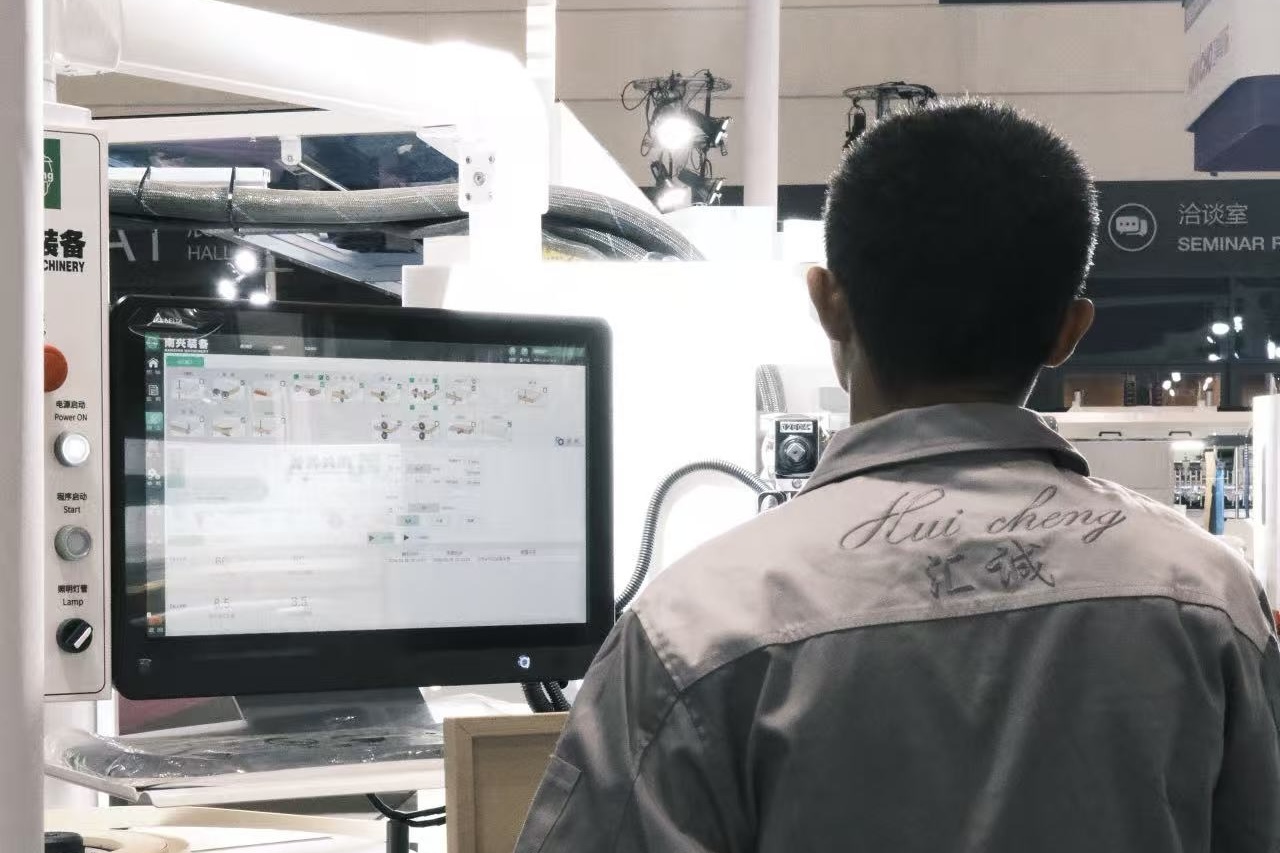
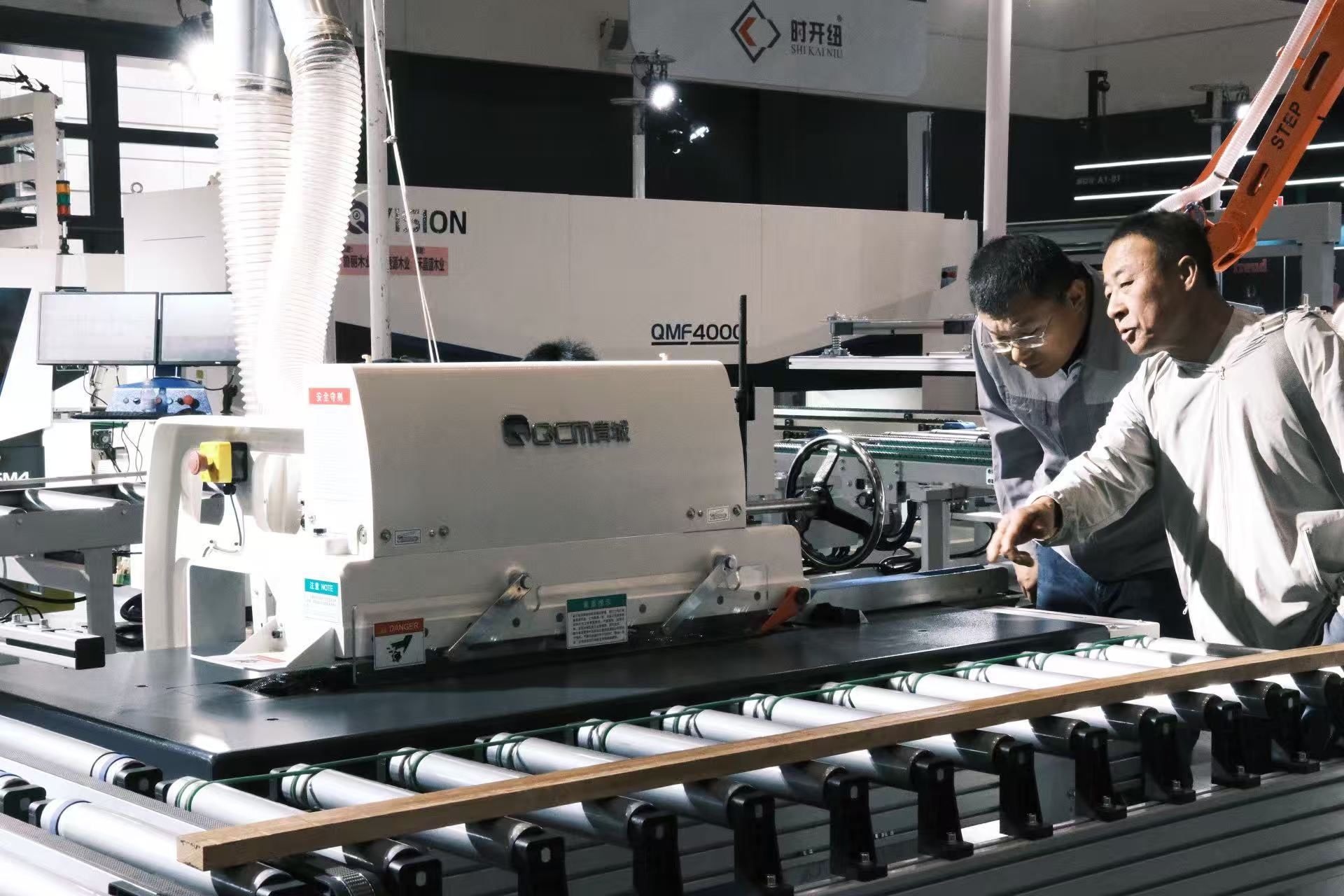
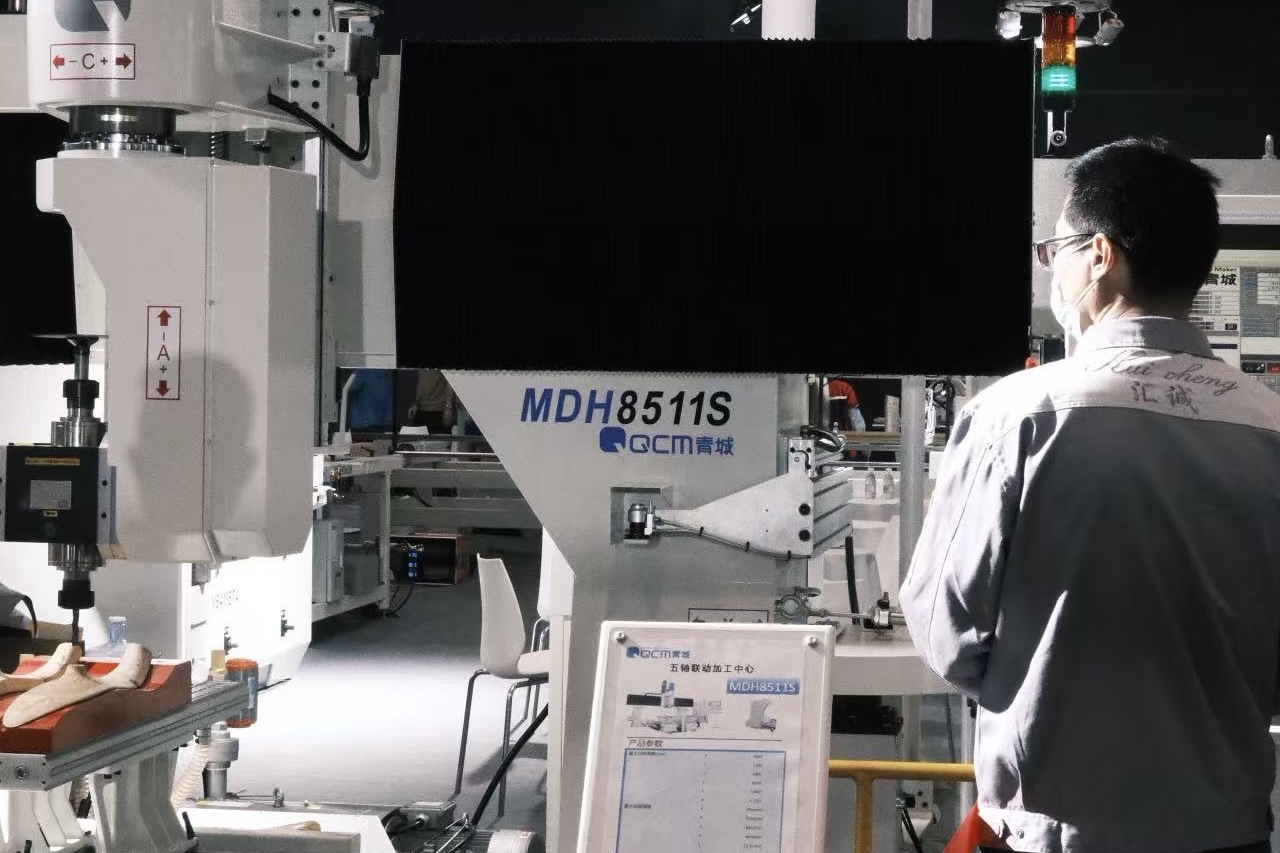
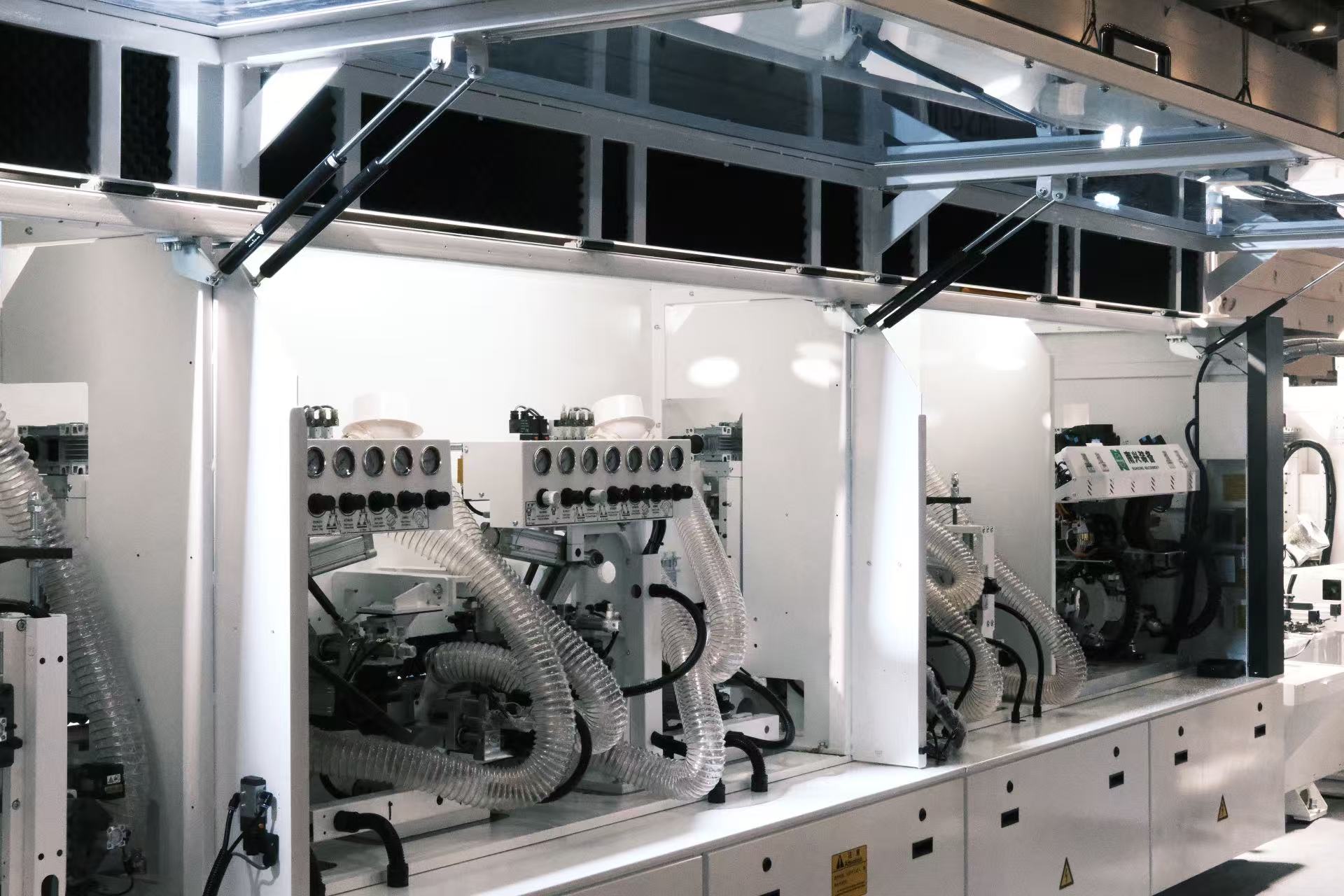
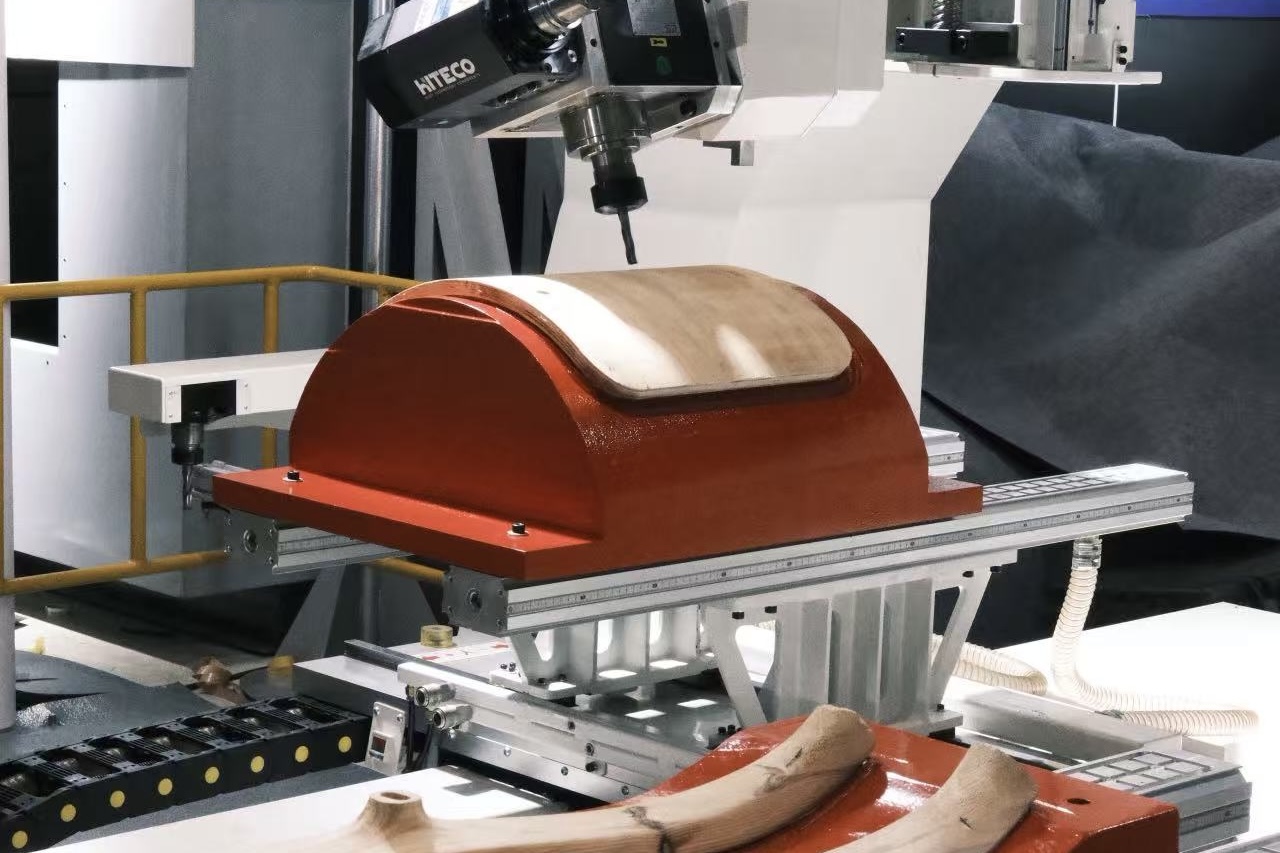
- At the exhibition, technicians demonstrated machine structures, tooling arrangements and different machining methods for solid wood and panel applications. From CNC parameter setting and cutting-tool selection to workpiece positioning and production adjustment, practical engineering experience helps ensure that each machine performs consistently under real factory conditions.
- For HC WoodTech, craftsmanship means combining machine design with the experience of engineers and technicians who understand how wood behaves during cutting, moulding, sanding, drilling and CNC machining.
Woodworking machinery & automation
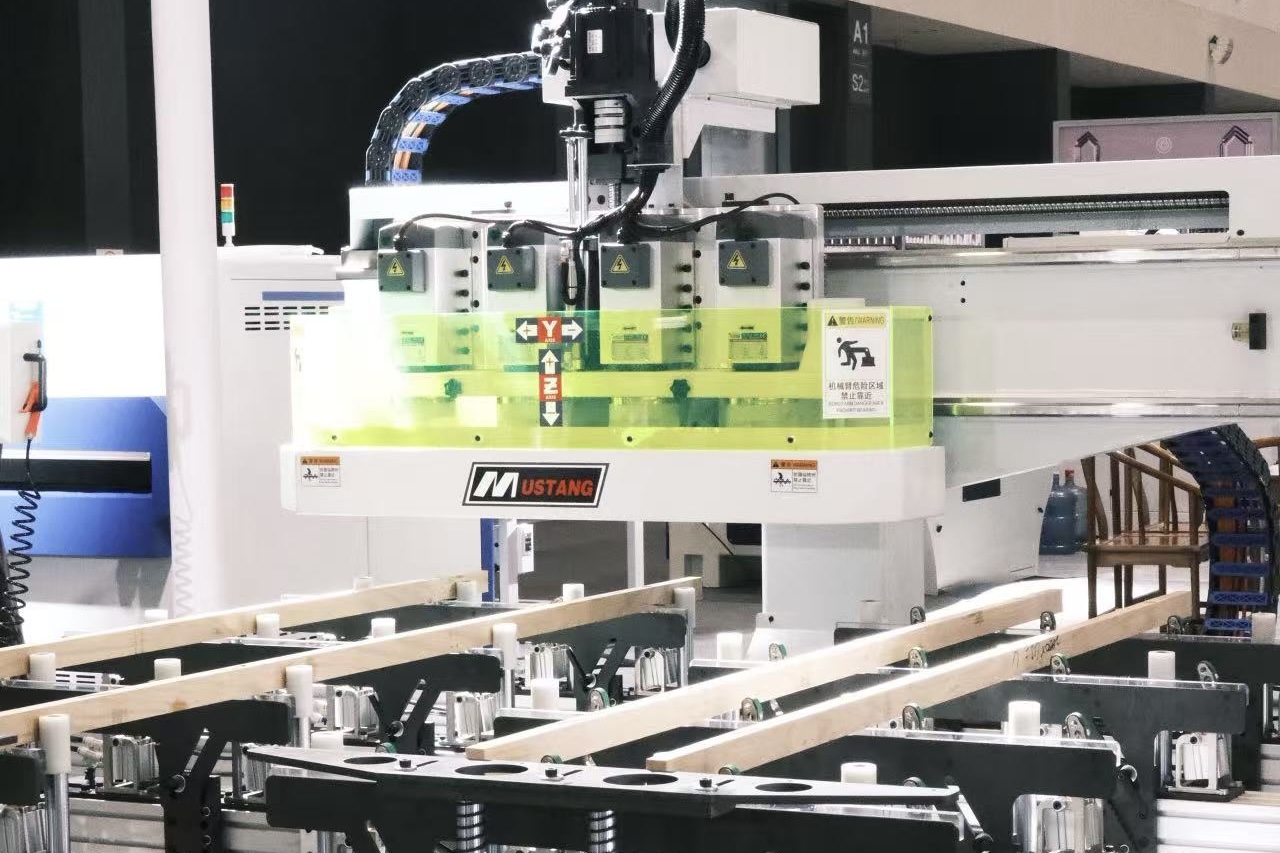
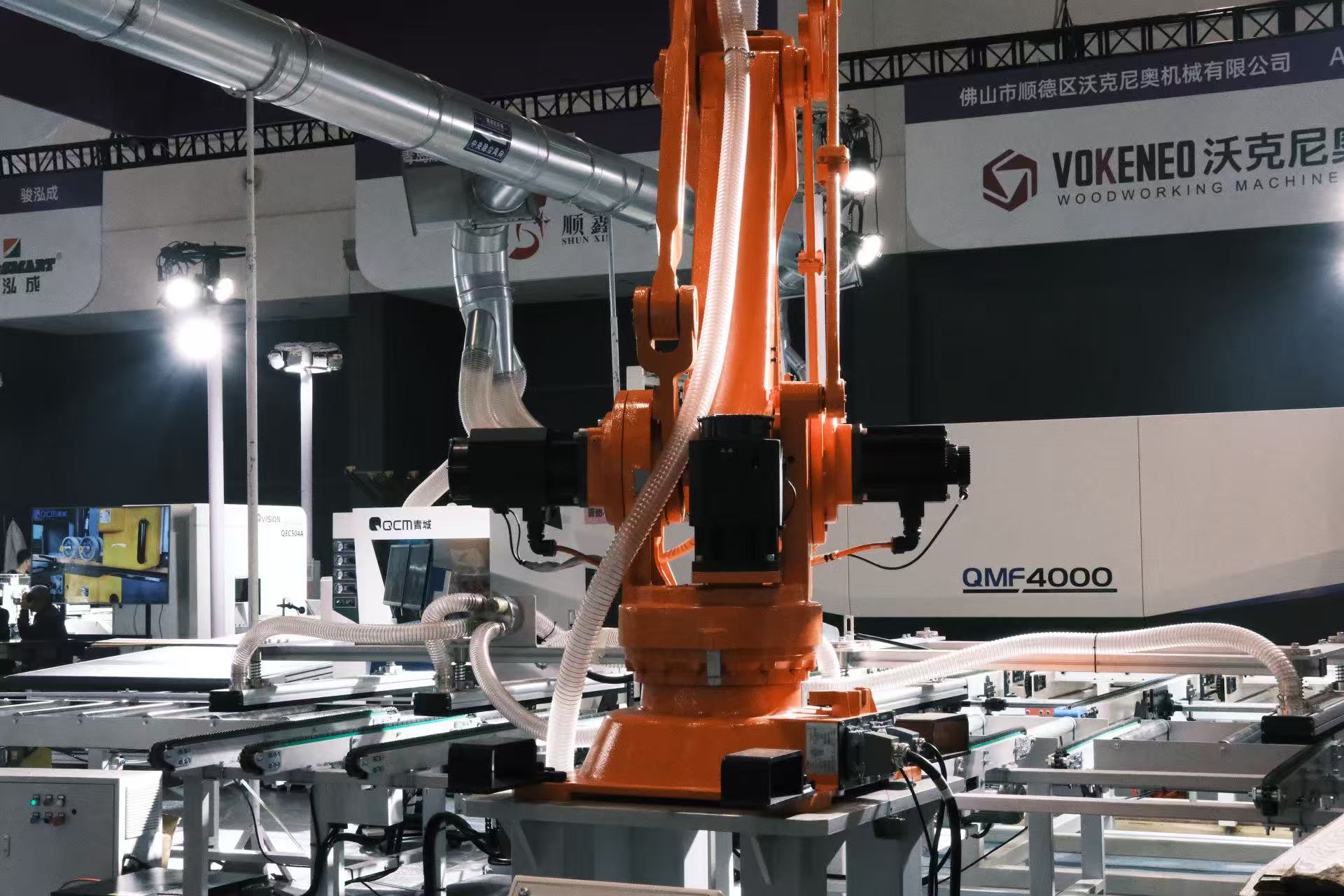
- The exhibition presented a broad range of woodworking technologies, including four-side moulding, sawing, sanding, drilling, CNC machining, panel processing, conveying, loading, unloading and automated material handling.
- Through QCM Machinery and Nanxing Equipment, HC WoodTech covers both solid wood machinery and panel furniture machinery, while automation allows individual processes to be connected into a more efficient production flow.
- Rather than focusing on only one type of machine, we look at the complete process — the material, workpiece dimensions, machining requirements, production capacity and factory layout — and then select the appropriate equipment and automation configuration.